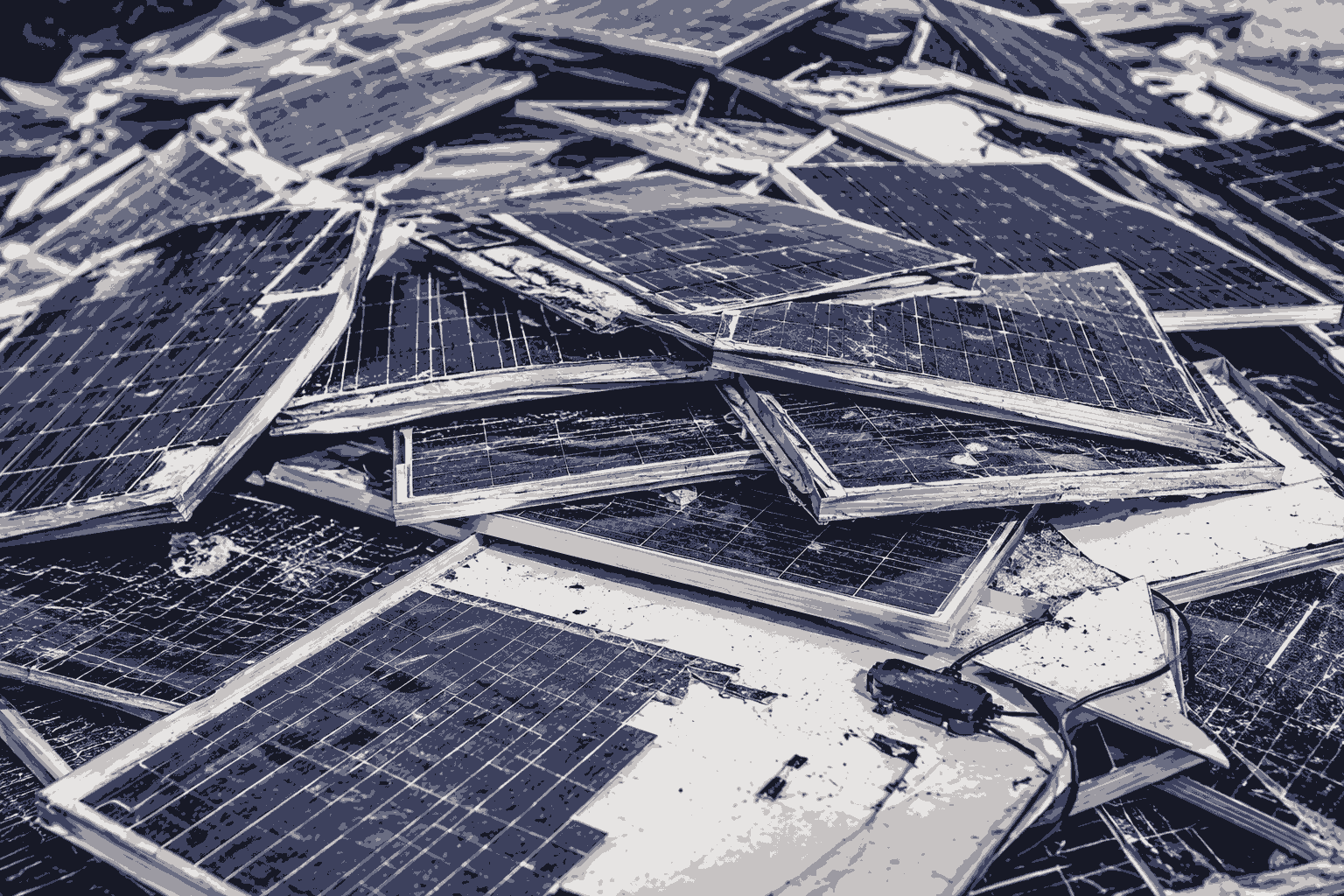
Choosing the right scrap business, and the right people to work with, is the decision that shapes everything else, and it’s not nearly as complicated as it first appears. If your interest leans toward specialist streams, the solar panel scrap and recycling guide is worth a look at some point.
It also helps to know your materials before you start talking to people who do this every day. Being able to hold a conversation about grades and alloys means you can tell when an agent actually knows what they’re looking at, and good references like the bronze scrap trading guide make that far less daunting than it sounds.
Choosing the Right Scrap Business Model
There are more ways into the scrap industry than most people realise. You can run a collection round, operate a yard, trade as an agent or broker, or specialise in a single material, and each of those is a different business with different costs, different risks and a different day-to-day reality.
A useful exercise is to work backwards from the buyer you’d eventually like to supply, and ask what has to be true for that to happen. The answer usually tells you which model makes sense, because it forces you to confront the volume, the quality control and the logistics involved before you’ve committed to anything.
What a Scrap Agent Actually Does
The role is part salesperson, part assessor, part logistics coordinator. An agent visits sites, works out what the material is and how much of it there is, approaches buyers, agrees a price and often arranges the collection that follows. They never own the metal; they represent the person who does.
Trust is the whole basis of the job. Because the agent handles someone else’s material and someone else’s money, their reputation is the thing that wins or loses them work, which is why the best agents are almost painfully careful about weights, grades and keeping their clients informed.
How a Scrap Broker Works
Brokers come into their own when material has to move a long way. A generator in one region may have no idea which yard or exporter three states away pays the best for their particular alloy, and a broker who does know that is genuinely useful to both ends of the deal.
The trade-off is risk. A broker who gets a grade wrong, misjudges a weight or deals with an unreliable party can be left carrying a loss on a transaction they never even took physical delivery of. It’s a business built on information and judgement, and the people who last in it are the ones who verify everything.
Agent, Broker, Dealer: What Is the Difference?
The words get used interchangeably all the time, and that’s understandable, but they do describe genuinely different roles. A dealer buys material outright and owns it while it sits in their yard. An agent acts for someone else and never owns it. A broker puts two parties together and may never see it at all.
The clearest signal is always paperwork. A dealer gives you a weighbridge ticket and a payment record. An agent gives you a mandate or an agreement describing their fee. A broker gives you a contract between the two parties. If none of those are on the table, the relationship is undefined, and undefined is where disputes come from.
How Agents and Brokers Get Paid
What’s less often discussed is how much those arrangements vary. The same agent can earn very different amounts on two almost identical loads because of differences in volume, material grade, distance to the buyer and how much sorting or processing the job demanded.
Getting the arrangement in writing is not paranoia; it’s standard practice. A page describing the fee structure, who pays it and when prevents almost every common disagreement before it starts. Agents and brokers who refuse to do this generally aren’t the ones you want representing you.
Where to Start
Choosing a scrap business model and the people to work with isn’t a single decision so much as a series of small ones, each of which gets easier once the last one was made properly. And if specialist streams appeal to you at all, the solar panel scrap and recycling guide explains one of the fastest-growing ones in plain terms.
If you take one practical step from all of this, make it learning your materials properly. Even one alloy understood well changes how you read every offer you receive, and the bronze scrap trading guide is as good a place as any to begin.
None of this means you should never trust anyone. The trade is full of agents and brokers who do exactly what they say they will, and working with a good one will likely make you more money than going it alone would. The point isn’t to be suspicious of everyone; it’s to be worthy of trust yourself and to extend that trust only where it’s been earned. The rest of it, the models, the roles, the paperwork, is detail you can pick up as you go, because none of it is complicated once you’ve seen it in practice a few times.