
For generations, scrap trading relied on manual pricing, long-distance calls, needless travel, and unpredictable logistics. These traditional methods carried their own charm, but they also contributed to unnecessary emissions. As businesses and recyclers look for ways to reduce their carbon footprint, the shift to digital scrap marketplaces has become both a practical and environmental necessity.
Online scrap sales not only streamline operations but also help cut carbon output across the entire recycling chain. Platforms like ScrapTrade, Australia’s trusted scrap trading marketplace, bring sustainability and efficiency together enabling users to buy scrap online, sell scrap online, and run greener operations with verified and reliable partners.
This blend of traditional recycling wisdom and modern digital tools is reshaping the industry toward a cleaner future.
Why Reducing Carbon Footprint Matters in Scrap Trading
Every step in scrap trading—transport, sorting, documentation, and communication—carries an energy cost. When trading is inefficient, those costs climb quickly. Reducing carbon footprint is no longer just an environmental choice; it’s becoming a competitive edge and a business responsibility.
Moving operations online brings significant carbon reductions without disrupting the industry’s long-standing workflows.
How Online Scrap Sales Reduce Carbon Footprint
1. Smarter Logistics and Fewer Wasteful Trips
Traditional scrap trading often involved multiple site visits just to evaluate materials or negotiate prices. By the time a truck made the actual pick-up, large amounts of fuel had already been burned.
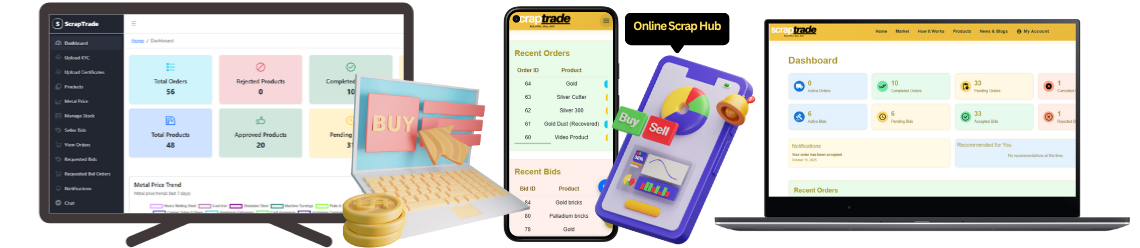
Online platforms such as ScrapTrade eliminate unnecessary travel by providing:
• High-quality material listings
• Real-time market prices
• Verified seller information
• Photos and specifications of scrap
• Automated buyer–seller matching
With clear information upfront, trucks only move when the deal is confirmed cutting fuel usage and lowering emissions.
Learn how this process works at:
https://scraptrade.com.au/how-it-works
2. Paperless Trading Reduces Resource Waste
From invoices to weight slips, traditional scrap trading produces mountains of paper. Switching to digital platforms reduces that waste significantly.
ScrapTrade provides:
• Digital receipts
• Online contracts
• Escrow-protected payments
• Secure digital documentation
Every paper saved reduces carbon emissions tied to printing, transport, and storage.
3. Better Inventory Planning Reduces Over-Handling
Excessive moving, reloading, and double-handling waste fuel and energy.
Online scrap sales allow traders to:
• Post accurate real-time inventory
• Track stock digitally
• Prevent unnecessary sorting trips
• Coordinate pick-ups only when the load is ready
This minimises machinery use, fuel expenses, and energy-heavy site operations.
4. Verified Dealers Reduce Contamination and Reprocessing
Working with unverified partners increases the risk of contaminated loads, rejected shipments, and repeat transport—each adding carbon emissions.
ScrapTrade ensures:
• Verified scrap buyers
• Verified scrap sellers
• Fair pricing
• Accurate listings
This builds trust and prevents costly, pollution-heavy mistakes.
Explore verified listings:
Buy scrap: https://scraptrade.com.au/buy
Sell scrap: https://scraptrade.com.au/sell
5. Reduced Communication Travel Through Digital Connectivity
Historically, scrap traders travelled long distances to negotiate, inspect, and confirm deals. Digital platforms remove this need.
With ScrapTrade, traders can:
• Chat securely
• Negotiate through the app
• Confirm deals online
• Organise logistics digitally
This decreases vehicle use and cuts emissions across operations.
6. Real-Time Market Analytics Prevent Unnecessary Stockpiling
When traders don’t have access to real-time pricing, they often stockpile materials or transport loads inefficiently.
Digital platforms offer market data that helps:
• Sell materials when demand is highest
• Avoid energy-heavy storage
• Plan transport more effectively
• Reduce repeated reprocessing
ScrapTrade’s analytics make sustainable decision-making easier and more profitable.
7. Supporting the Circular Economy Naturally Cuts Emissions
Every kilogram of scrap recycled reduces the need for mining, refining, and manufacturing—activities responsible for some of the highest industrial carbon emissions globally.
Digital marketplaces accelerate the circular economy by:
• Increasing recycling rates
• Making scrap access easier for manufacturers
• Connecting suppliers to more potential buyers
• Encouraging reuse and repurposing
Visit the ScrapTrade mission page: https://scraptrade.com.au/about-us
Why ScrapTrade Is the Ideal Platform for Low-Carbon Trading
ScrapTrade blends traditional scrap values with modern sustainability tools. It reduces unnecessary travel, paperwork, and miscommunication—three major carbon contributors in scrap trading.
ScrapTrade enables:
• Smart, efficient logistics
• Verified partners
• Paperless operations
• Real-time analytics
• Secure digital transactions
• Transparent, eco-friendly trading
Every trade done through ScrapTrade contributes to a cleaner, more efficient scrap ecosystem.
Conclusion: Online Scrap Sales Are a Practical Path to Lower Emissions
Reducing carbon footprint doesn’t require costly equipment or complicated processes. It begins with simple, digital efficiencies—listing scrap online, verifying partners, coordinating logistics smarter, and cutting unnecessary travel.
Platforms like ScrapTrade help traders achieve all this while keeping the familiar rhythm of traditional scrap dealing intact. The old principle remains the same: waste nothing. The future just approaches it with better tools.