
Global scrap trading has always been a powerful engine of industry. Copper, aluminium, steel, and e-waste move across borders every day, supporting manufacturing, recycling, and the circular economy. Yet for all its importance, international scrap trade comes with real challenges — logistical, regulatory, financial, and technological.
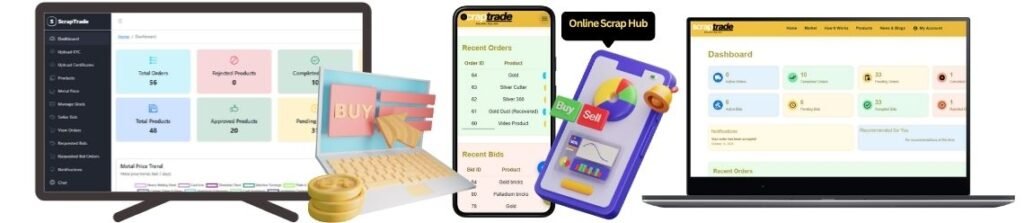
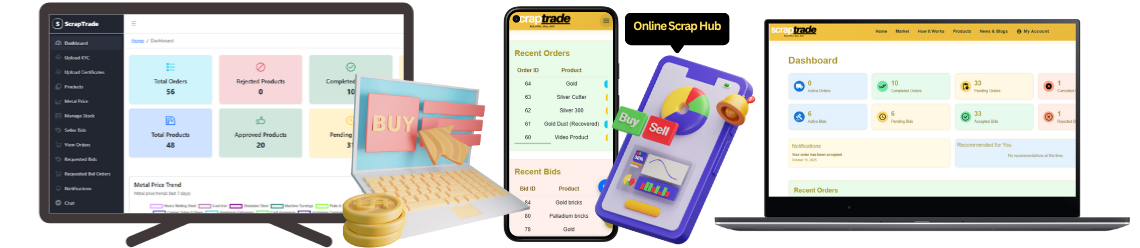
Modern platforms like ScrapTrade are transforming the way exporters and buyers navigate these challenges, blending trusted traditional practices with digital tools that make trading smoother and more transparent.
To understand how ScrapTrade manages the entire trading workflow, visit:
https://scraptrade.com.au/how-it-works
1. Fluctuating International Scrap Prices
Global scrap prices can shift quickly due to:
• Demand changes in major economies
• Currency fluctuations
• Energy costs
• Production slowdowns
• Policy changes in importing nations
These fluctuations make it hard for traders to quote stable prices. A digital scrap marketplace offering real-time analytics — like ScrapTrade — helps dealers monitor trends and reduce risk.
2. Complex International Regulations
Every country has its own rules for importing scrap metal, especially when it concerns:
• Hazardous materials
• E-waste categories
• Cleanliness and contamination levels
• Required certifications
• Environmental standards
A single missing document can delay shipments by weeks.
ScrapTrade simplifies this by centralising required trade documents digitally and reducing paperwork mistakes.
Explore the process here:
https://scraptrade.com.au/how-it-works
3. Freight and Logistics Challenges
Moving scrap across borders involves:
• Inland transport
• Port handling
• Container availability
• International shipping routes
• Customs clearance
Port congestion, fuel price spikes, and seasonal disruptions can increase freight costs unpredictably. Exporters often struggle to find reliable carriers experienced in handling heavy scrap loads.
ScrapTrade’s integrated logistics support gives traders greater visibility and dependable partners.
4. Quality Grading Disputes
Quality is everything in scrap trading. Common disputes arise over:
• Impurity levels
• Moisture content
• Mixing of grades
• Inaccurate weights
• Poor packaging
When buyers and sellers are thousands of kilometres apart, disagreements become expensive.
Digital listings on ScrapTrade include photos, videos, and optional pre-shipment inspections to reduce misunderstandings.
5. Payment Security Issues
Cross-border payments come with concerns such as:
• Delayed transfers
• Wrong SWIFT codes
• High transaction charges
• Fraudulent buyers or sellers
• Non-payment after shipment
Traditional methods lack transparency.
ScrapTrade eliminates this fear through escrow-protected transactions, ensuring money is released only when both sides complete their obligations.
6. Currency Fluctuation Risks
Scrap is traded globally, so exporters often deal in USD, AUD, EUR, and other currencies. Even small fluctuations affect profitability.
For example, a change of a few cents in exchange rates can shift margins on a 25–30 tonne shipment.
ScrapTrade provides transparent transaction records that help exporters manage financial risk more effectively.
7. Supply Chain Interruptions
Global issues like war, port strikes, pandemics, and trade sanctions can freeze entire supply chains overnight. Scrap exporters feel the impact immediately because containers, trucks, and vessels operate on tight schedules.
Digital platforms help traders adapt quickly by offering market insights and alternative trading opportunities.
8. Lack of Verified Buyers and Sellers
Trust has always been the backbone of scrap trading. Without verification, traders face risks such as:
• Fake buyers
• Fake sellers
• Stolen materials
• Poor-quality stock
• Non-compliant exporters
On ScrapTrade, every user is verified, giving both buyers and sellers confidence in every transaction.
9. Documentation Errors
A typical scrap shipment requires:
• Commercial invoice
• Packing list
• Certificate of origin
• HS codes
• Export declaration
• Material inspection report
Incorrect or incomplete documents can lead to shipment holds or penalties.
ScrapTrade reduces this risk by enabling seamless document storage, sharing, and generation.
10. Environmental Compliance Pressures
Countries are tightening environmental laws around scrap imports. Whether it’s radiation checks, cleaning standards, or contamination limits, traders must stay updated.
Digital scrap marketplaces keep traders informed and help ensure materials meet compliance requirements.
How ScrapTrade Helps Solve These Challenges
ScrapTrade is built to eliminate the traditional barriers of global scrap trading. It supports traders with:
• Verified global buyers and sellers
• Real-time scrap price analytics
• Secure escrow payments
• Automated documentation
• Integrated logistics support
• Live material listings
• Compliance-friendly records
By embracing a blend of old-school trade principles and new-age digital tools, ScrapTrade creates a cleaner, clearer, and more reliable global scrap marketplace.
Final Thoughts
Global scrap trading is full of opportunity — but it also comes with serious challenges. By understanding these obstacles and using modern digital tools to overcome them, traders can unlock smoother operations, better profits, and stronger international partnerships.
With platforms like ScrapTrade leading the way, exporters and buyers can finally trade scrap online with confidence, security, and full transparency.