Freight cost is one of the biggest factors that determine whether a scrap export deal is profitable or not. For decades, exporters have relied on brokers, shipping agents, and long email threads to estimate container rates, port fees, and inland transport charges. While this worked in the past, today’s global scrap marketplace demands more accuracy, transparency, and speed.
Modern scrap exporters now prefer digital tools — especially platforms like ScrapTrade, where logistics support and real-time information help reduce guesswork. Understanding freight cost calculation is essential, whether you export copper scrap, aluminium scrap, steel scrap, or e-waste.
This guide breaks down the entire freight calculation process in a clear and practical way.
To understand how ScrapTrade streamlines the full trading journey, visit:
https://scraptrade.com.au/how-it-works
Why Freight Cost Matters in Scrap Exporting
Scrap trading margins can be tight, and small variations in transportation cost can turn a profitable shipment into a loss. Freight is not just the shipping line’s fee — it includes multiple components such as port handling, inland transport, fuel surcharges, and documentation.
A proper cost estimate helps exporters:
• Price their scrap competitively
• Negotiate better with buyers
• Avoid last-minute surprises
• Maintain healthy profit margins
Platforms like ScrapTrade make it even easier by offering integrated logistics support throughout the export cycle.
Main Components of Freight Cost for Scrap Exports
1. Inland Transportation Charges
Before your scrap reaches the port, it must be transported from your yard to the loading terminal. Costs depend on:
• Distance from yard to port
• Trailer or truck size
• Weight of the load
• Fuel rates and tolls
Digital tools allow exporters to compare rates instantly instead of depending on multiple carriers.
2. Container Freight Rates (Shipping Line Fee)
This is the core shipping cost. Container prices fluctuate weekly based on:
• Global demand
• Port congestion
• Fuel prices
• Seasonality
• Trade route popularity
A 20ft or 40ft container carrying scrap metal can vary significantly in price. ScrapTrade helps exporters monitor market trends to choose the right timing for dispatch.
3. Port Handling Charges (Origin Charges)
These cover loading, stacking, weighing, and customs processing at the origin port. Costs depend on:
• Type of scrap
• Container size
• Port regulations
Ports with heavy traffic or strict environmental compliance may charge more.
4. Documentation and Compliance Fees
Exporting scrap requires:
• Export declarations
• Shipping bills
• Pre-shipment inspection reports
• HS codes
• Certificates of origin
Missing paperwork often leads to delays or fines. The ScrapTrade App simplifies this by centralising all required documents digitally so exporters avoid errors.
Explore how documentation works:
https://scraptrade.com.au/how-it-works
5. Freight Surcharges
Shipping lines apply multiple surcharges based on global conditions. The most common include:
• BAF (Bunker Adjustment Factor) – fuel price changes
• CAF (Currency Adjustment Factor) – currency fluctuations
• PSS (Peak Season Surcharge)
• WRS (War Risk Surcharge) in sensitive regions
Scrap exporters must factor these in when calculating total landed cost.
6. Destination Port Charges
Many new exporters forget about arrival charges, which are usually paid by the importer. However, the final price negotiation often includes these details.
Destination charges include:
• Unloading fees
• Terminal handling charges
• Local customs clearance
• Trucking to buyer’s warehouse
International buyers on ScrapTrade appreciate transparent cost-sharing, helping smooth negotiations.
How to Calculate Freight Cost Step-by-Step
Here is a simple approach exporters traditionally follow, now made easier with digital tools:
Step 1: Measure scrap weight and loading volume
Step 2: Select container size (20ft / 40ft / HQ)
Step 3: Get quotes for inland transport
Step 4: Check weekly freight rates from shipping lines
Step 5: Add export documentation and port charges
Step 6: Factor in surcharges and destination fees
Step 7: Add a buffer for unexpected costs (5–10%)
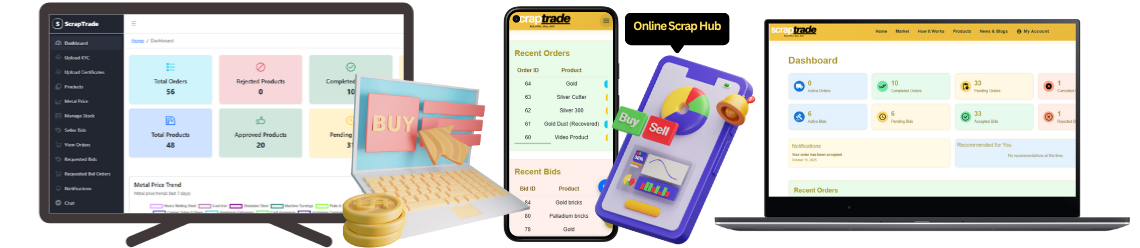
Using the ScrapTrade App, exporters can track real-time freight trends and request logistics support directly through verified partners.
How ScrapTrade Helps Exporters Manage Freight Costs
ScrapTrade combines modern technology with the practical needs of traditional scrap traders. Exporters benefit from:
• Verified logistics providers familiar with scrap handling
• Transparent freight estimates
• Real-time updates on shipping schedules
• Automated document support
• Secure communication with buyers
The platform brings order and trust to freight planning, reducing costly mistakes.
Final Thoughts
Freight cost calculation is not just arithmetic — it reflects the entire workflow of exporting scrap smoothly and safely. With better transparency, digital tools, and reliable partners, exporters can manage costs more confidently.
A platform like ScrapTrade ensures exporters stay competitive in the global scrap marketplace, providing the tools needed to handle freight, documentation, and payments in one secure environment.
The more accurately you estimate freight charges, the more confidently you can price your scrap for buyers across the world.