International scrap trading can be highly profitable, but it’s also wrapped in a web of regulations designed to ensure sustainability, prevent illegal waste dumping, and promote responsible recycling. Anyone planning to buy scrap online or sell scrap online across borders needs a clear understanding of import–export rules, environmental laws, customs procedures, and certification requirements.
The good news is that modern digital tools — and platforms like ScrapTrade, a trusted Australian scrap trading platform — make this process far easier than it once was. Still, knowing how to check and interpret international scrap regulations is essential for safe, legal, and profitable trading.
Let’s walk through it clearly.
Why Scrap Regulations Matter Globally
Scrap metal and e-waste are classified as controlled commodities in many countries. Governments regulate them to prevent:
• Hazardous waste smuggling
• Unsafe recycling practices
• Environmental contamination
• Loss of valuable recyclable materials
This means that copper scrap buyers, aluminium scrap suppliers, e-waste traders, and global scrap marketplaces must comply with rules that differ from country to country.
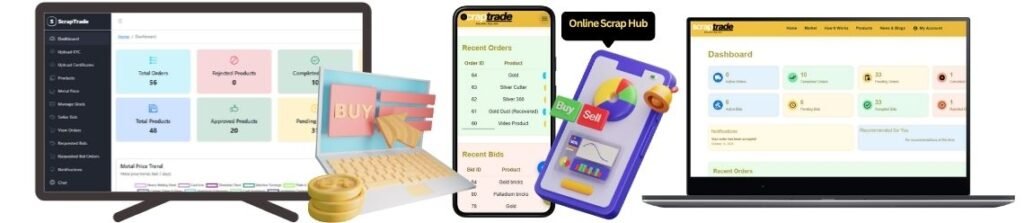
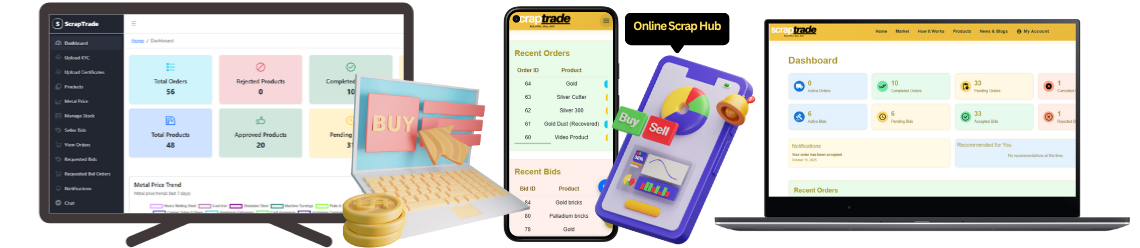
Digital platforms such as ScrapTrade help traders handle these variations by offering real-time buyer–seller verification, documentation support, and secure transactions.
Where to Check International Scrap Trading Regulations
This is where traders traditionally struggled too many government portals, outdated PDF documents, and scattered information. Thankfully, the landscape has changed.
Below are the most reliable sources for checking rules before trading internationally.
1. Government Customs Websites
Every country publishes its import–export restrictions and HS codes through their customs department. Examples include:
• Australia Border Force
• U.S. Customs and Border Protection
• India Directorate General of Foreign Trade
These sites show whether a scrap type is:
• Allowed
• Restricted
• Prohibited
• Requires a special licence
This is especially important for e-waste trading, which many countries classify as hazardous.
2. Basel Convention Compliance Lists
The Basel Convention ensures that hazardous waste is not traded irresponsibly across countries. Many forms of:
• E-waste
• Mixed metal scrap
• Batteries
• Lead-acid scrap
require special documentation.
For worldwide scrap traders, checking whether your trade falls under Basel rules is essential.
3. International Trade Portals
Several global organisations track restrictions and trade requirements. Examples:
• WTO (World Trade Organization)
• WITS (World Integrated Trade Solution)
• OECD recycling guidelines
Here, traders can view tariff rates, quotas, and country-specific bans.
4. Accredited Industry Bodies
Metals and recycling unions in different countries publish updated compliance news. These are especially relevant for:
• Copper scrap buyers
• Aluminium scrap sellers
• Steel scrap exporters
• E-waste dismantlers
They provide practical interpretations of laws, not just legal language.
How ScrapTrade Helps with Compliance
A traditional trader had to handle everything manually customs research, paperwork checks, buyer verification, tariff calculations. ScrapTrade modernises this old-school process without compromising reliability.
Here’s how the platform supports international legality:
• Verified Scrap Buyers & Sellers
Each profile is checked to ensure they comply with regional trading laws.
• Document & Licence Tracking
Upload export licences, material test reports, and certificates needed for cross-border shipments.
• Real-Time Market & Regulation Insights
ScrapTrade keeps traders updated on rule changes as they happen.
Check it out here:
https://scraptrade.com.au/how-it-works
• Secure, Escrow-Protected Payments
Legal and financial compliance go hand in hand.
• Country-Specific Support
From Australia to the Middle East, India, EU, and Southeast Asia the platform adapts to regional requirements.
Steps to Check International Scrap Regulations Before Trading
Staying compliant doesn’t need to be an epic quest. Follow this sensible workflow:
- Identify your exact scrap category
(copper, aluminium, mixed metal, e-waste, ferrous, precious metal scrap) - Check the destination country’s import rules
Visit customs websites or use trade portals. - Verify whether the scrap is regulated under Basel rules
- Check for bans or special licences
For example, many countries ban mixed e-waste imports. - Consult an export agent if needed
Especially for high-value cargo. - Use ScrapTrade to connect with verified international partners
- Upload documents and track compliance digitally
This blend of old-fashioned due diligence and modern digital tools creates the safest, smartest trading path.
Why Regulations Change Frequently
International scrap trade is deeply linked to:
• Environmental policies
• Rising sustainability targets
• Circular economy adoption
• Global metal shortages
• Waste management concerns
Countries tighten or relax rules depending on economic priorities, making regular regulation checks essential.
Conclusion
Checking international scrap trading regulations is crucial for staying compliant, avoiding penalties, and ensuring smooth cross-border logistics. Traditions matter in this industry knowing the rules, respecting the process, and conducting honest trade.
But the modern world demands smarter tools. That’s where ScrapTrade, a trusted digital scrap marketplace, bridges traditional scrap yard experience with new-age technology. Whether you want to buy scrap online, sell scrap online, or expand internationally, understanding regulations and using the right platforms will keep your business ahead.