Scrap metal export has always been a vital part of the recycling chain. For generations, traders moved copper, aluminium, steel, and brass across borders to ensure nothing useful went to waste.
Today, exporting scrap still follows those same principles reuse, recovery, and responsible trade but the legal landscape has become stricter. Governments want to prevent illegal dumping, protect local industries, and ensure hazardous waste doesn’t slip through the cracks.
This means exporters must follow a clear, lawful path when sending scrap metal overseas. The good news is that modern digital tools, especially platforms like ScrapTrade, make this process far easier, safer, and more transparent. Whether you’re planning to sell scrap online or connect with international scrap buyers, understanding the legal requirements is essential.
Why Exporting Scrap Metal Requires Legal Compliance
Scrap metal is considered a regulated commodity in many countries.
Authorities want to prevent:
• Environmental harm
• Unverified waste shipments
• Conflict metal trade
• Tax evasion
• Non-compliant exporters
Because of this, exporting scrap usually requires proper documentation, verified buyers, and strict inspection. A trusted scrap trading platform helps you avoid the pitfalls that many traditional exporters faced in the past.
Essential Requirements for Exporting Scrap Metal Legally
1. Know Your Scrap Category and Metal Type
Not all scrap metal is treated the same under export laws.
Common types include:
• Copper scrap
• Aluminium scrap
• Steel and iron scrap
• Brass scrap
• E-waste scrap containing metals
Different materials may fall under different regulatory categories.
ScrapTrade helps sellers specify clear details, grades, and photos so buyers understand exactly what is being exported. You can list your scrap here:
https://scraptrade.com.au/sell
2. Get the Required Export Licences and Permits
Depending on your country and the buyer’s destination, you may need:
• Export permits
• Environmental clearances
• Material test reports
• Pre-shipment inspection certificates
• Customs documentation
For example, many countries require inspection under the Basel Convention for hazardous or mixed waste. Keeping paperwork accurate ensures shipments are never held or rejected.
ScrapTrade simplifies these steps with transparent buyer profiles and proper documentation support.
3. Ensure Your Buyer Is Fully Verified
This is where problems usually arise in traditional scrap trading.
Unverified overseas buyers can cause:
• Payment fraud
• Shipment refusal
• Legal disputes
• Non-compliance penalties
A secure platform like ScrapTrade verifies all buyers before they can trade.
Explore how buyer–seller matching works here:
https://scraptrade.com.au/how-it-works
This protects you from dealing with non-registered or suspicious buyers.
4. Follow Shipping, Packaging, and Handling Regulations
Export rules typically require:
• Clean, contamination-free scrap
• Proper sorting
• Palletised or container-ready packaging
• Correct shipping labels
• Transparent material documentation
Clean loads reduce customs delays and avoid rejection at port. ScrapTrade encourages high-quality listings, which lead to smoother shipping compliance.
5. Use Escrow-Protected, Secure Payment Systems
Legal mistakes often happen around payments not the scrap itself.
Using safe and transparent digital payments ensures:
• Proof of transaction
• Legal documentation
• Fraud prevention
• Traceability
ScrapTrade offers bank-level security and escrow-protected payments, giving exporters peace of mind when working with global buyers.
Learn more:
https://scraptrade.com.au/about-us
6. Comply With Environmental Regulations (Local & International)
Rules around pollution, hazardous waste, and recycling are stricter than ever.
Exporters must follow:
• National waste export laws
• Destination-country import regulations
• Basel Convention rules
• Proper reporting and documentation
A legal export business must demonstrate responsibility from yard to ship. Digital scrap marketplaces help exporters maintain clean, traceable records.
7. Maintain Accurate Digital Records for Customs and Audits
Exporting scrap requires clear, organised paperwork.
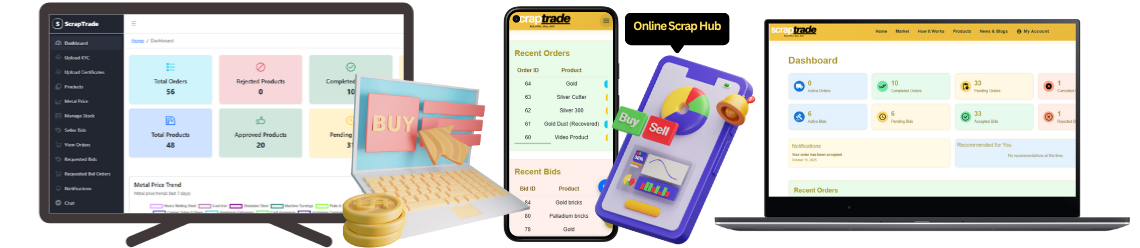
ScrapTrade automatically generates and stores:
• Transaction logs
• Buyer information
• Material specifications
• Payment proof
• Digital invoices
This reduces errors, removes paper waste, and keeps your business legally protected.
How ScrapTrade Helps Exporters Stay Legal and Compliant
ScrapTrade supports legal scrap export by offering:
• Verified global buyers
• Secure escrow payments
• Clear digital documentation
• Transparent scrap listings
• Compliance-friendly processes
• Real-time market analytics
• A trusted online scrap marketplace
It preserves the tradition of honest scrap trading while using technology to reduce risk and improve international trade efficiency.
Explore the marketplace here:
https://scraptrade.com.au/buy
Conclusion: Legal Export is Easier with the Right Tools
Exporting scrap metal legally is not complicated when you follow the proper checks, documentation, and compliance steps.
With modern digital platforms like ScrapTrade simplifying verification, payments, logistics, and documentation, exporters can trade confidently across borders without risking penalties or delays.
The scrap trade has always been built on trust and transparency and ScrapTrade simply brings those values into a safer, smarter digital era.
Global scrap export becomes not just legal, but efficient, secure, and sustainable.