The tradition of scrap trading has always echoed a simple, time-honoured truth: nothing should be wasted if it can be reused, repurposed, or recycled. Long before modern sustainability goals existed, scrap yards and metal dealers were already keeping valuable materials out of landfills.
Today, as governments and industries push toward zero-waste frameworks, the scrap industry stands at the heart of that mission.
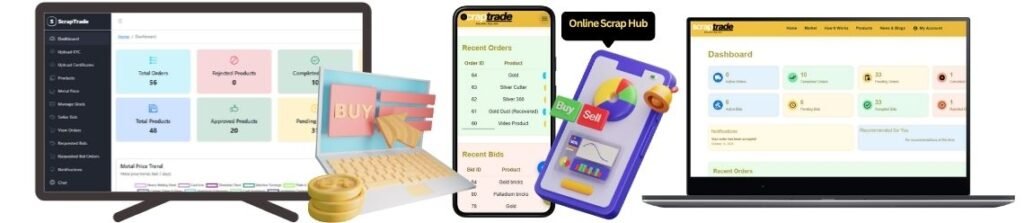
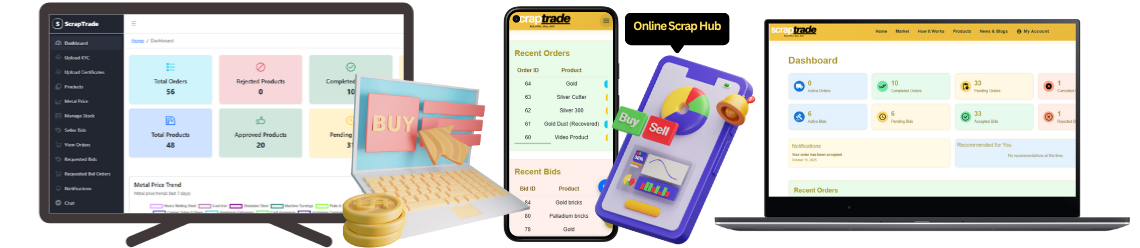
Modern digital tools, especially platforms like ScrapTrade, are now strengthening this old craft by making recycling smarter, more transparent, and more accessible. Whether businesses want to buy scrap online, sell scrap online, or rebuild their recycling processes, the scrap trade is becoming the backbone of a zero-waste future.
Why Zero Waste Depends on the Scrap Industry
Zero waste doesn’t mean producing no waste at all. It means designing waste out of the system—keeping materials circulating as long as possible.
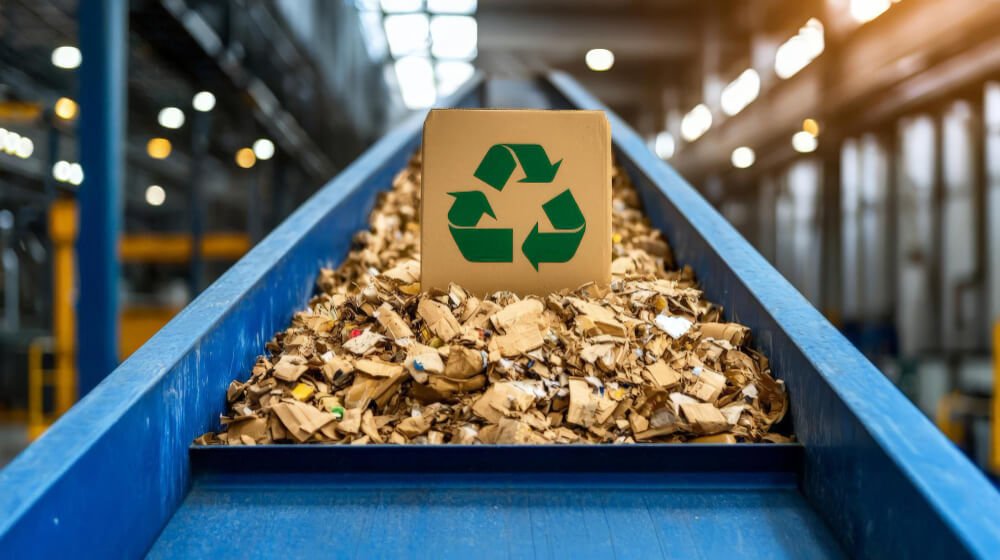
Metals, e-waste, and recyclable materials can all be reused repeatedly without losing quality. This makes scrap essential in reducing reliance on virgin raw materials and preventing landfill overload.
The scrap industry contributes to zero waste through:
• High recycling rates
• Material recovery
• Industrial reuse
• Reduced extraction of new resources
• Lower carbon emissions
And the shift to online platforms elevates these benefits further.
How Scrap Trade Drives Zero-Waste Progress
1. Extending the Life of Materials Through Continuous Recycling
Metals like aluminium, copper, brass, and steel can be recycled indefinitely. Every cycle keeps material away from landfills and back into production.
ScrapTrade helps accelerate this cycle by connecting verified scrap dealers with manufacturers and recyclers instantly:
https://scraptrade.com.au/buy
This faster circulation supports the zero-waste goal of eliminating unnecessary disposal.
2. Reducing Landfill Through Responsible E-Waste Trading
E-waste is one of the fastest-growing waste streams globally.
Scrap trading ensures:
• Safe dismantling
• Recovery of usable metals
• Proper disposal of hazardous components
• Minimal landfill contribution
By listing e-waste on platforms like ScrapTrade, businesses can responsibly channel their electronics to certified recyclers.
Sell e-waste safely here: https://scraptrade.com.au/sell
3. Minimising Waste Through Better Sorting and Material Quality
Well-sorted scrap means more efficient recycling, less contamination, and fewer rejected loads.
Digital listings on ScrapTrade show exact material types, photos, and specifications, reducing the chance of mix-ups and waste.
With cleaner scrap, recyclers expend less energy, produce less waste, and contribute more directly to zero-waste systems.
4. Reducing Wasteful Transport Through Smart Digital Logistics
Traditional scrap trading often required multiple trips for negotiation, inspection, and pick-ups.
These trips added:
• Fuel waste
• Carbon emissions
• Time inefficiency
By listing, negotiating, and finalising deals online, ScrapTrade significantly reduces these unnecessary movements.
Learn how this works: https://scraptrade.com.au/how-it-works
Fewer trips mean less fuel burned—and less environmental waste created.
5. Supporting Circular Economy Models
A circular economy keeps products and materials circulating longer, reducing the need for new production.
Scrap trade is one of the strongest pillars of this system.
ScrapTrade strengthens the circular economy by:
• Offering a steady supply of recycled materials
• Helping manufacturers access affordable scrap
• Reducing dependence on mining
• Encouraging reuse and reprocessing
The zero-waste movement relies heavily on these circular loops.
6. Preventing Illegal Dumping Through Verified Dealers
Unregulated scrap trade often leads to improper disposal of waste, especially metals, batteries, and electronics.
With ScrapTrade’s identity-verified ecosystem, users avoid:
• Fly-tipping
• Rogue dealers
• Hidden waste disposal
• Contaminated material handling
This transparency is essential in any serious zero-waste strategy.
7. Digital Documentation Reduces Physical Waste and Improves Compliance
Zero-waste programs require clear records and environmental reporting.
Digital scrap platforms replace paper-heavy processes with:
• Online invoices
• Digital certificates
• Automated logs
• Transaction records
• Escrow-protected payments
ScrapTrade ensures clean, traceable documentation—no wasted paper, no lost files, and no compliance errors.
How ScrapTrade Strengthens Zero-Waste Initiatives
ScrapTrade combines old-school scrap values with digital precision.
It supports zero waste through:
• Verified buyer–seller matching
• Optimised logistics
• High-quality listings
• Reduced contamination
• Digital records
• Real-time analytics
• Transparent, secure transactions
It builds a scrap ecosystem where nothing of value goes to waste—exactly the spirit of zero-waste movements.
Explore ScrapTrade’s mission here:
https://scraptrade.com.au/about-us
Conclusion: Scrap Trading Is a Key Driver of the Zero-Waste Future
Achieving zero waste requires practical systems that keep materials circulating, minimise waste generation, and encourage responsible disposal.
The scrap trade has always done this, long before the term “zero waste” existed.
Now, with digital platforms like ScrapTrade enhancing visibility, transparency, and efficiency, the industry is more capable than ever of supporting global zero-waste ambitions.
ScrapTrade preserves the traditional wisdom of scrap dealing while harnessing modern technology to build sustainable progress.