Scrap materials like metal, plastic, paper, and e-waste hold value even after their original use ends. However, businesses must account for these sales correctly under the Goods and Services Tax (GST). In this guide, we’ll explain how scrap sale under GST works and how you can sell your scrap online through trusted platforms like ScrapTrade.
What Is a Scrap Sale?
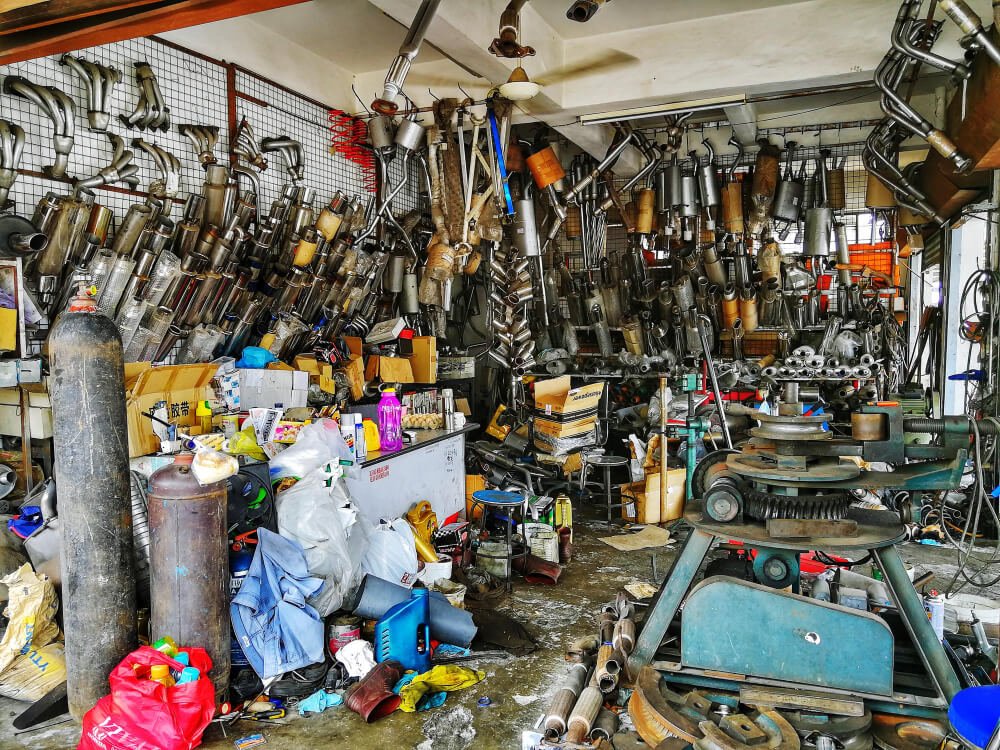
A scrap sale refers to selling leftover or discarded materials generated during manufacturing or daily operations. Examples include:
- Metal cuttings or shavings
- Plastic, paper, or cardboard waste
- Used batteries and e-waste
- Damaged machinery or parts
These materials, although considered “waste,” still have market value and must be reported properly under GST.
GST Applicability on Scrap Sale
Under GST law in India, the sale of scrap is treated as a taxable supply. This means scrap dealers, manufacturers, or traders must charge and pay GST when selling scrap.
Common GST Rates on Scrap Materials:
| Type of Scrap Material | GST Rate (%) | HSN Code Example |
|---|---|---|
| Iron or Steel Scrap | 18% | 7204 |
| Aluminum Scrap | 18% | 7602 |
| Copper Scrap | 18% | 7404 |
| Plastic Scrap | 18% | 3915 |
| E-waste (electronic scrap) | 5% or 18% | 8528 / 8548 |
| Paper Scrap | 12% | 4707 |
Note: GST rates can change based on government notifications, so it’s best to verify current rates with your tax advisor.
Input Tax Credit (ITC) on Scrap Sale
If your business generates scrap as a byproduct, you can claim Input Tax Credit (ITC) for GST paid on inputs used to manufacture those goods. However, you must also collect and remit GST when selling the scrap.
For registered scrap buyers and sellers, ITC helps offset taxes paid during purchase, ensuring transparency and compliance.
How to Account for Scrap Sale Under GST
Here’s how to record a scrap sale transaction in your books:
- Identify the Scrap: Determine the type of scrap and its GST rate.
- Issue a Tax Invoice: Mention HSN code, GST rate, and buyer details.
- Collect GST: Add applicable GST to the scrap sale price.
- File Returns: Report the sale in your GST returns (GSTR-1 and GSTR-3B).
Example Entry:
If you sell metal scrap worth ₹10,000 with 18% GST:
| Account | Debit (₹) | Credit (₹) |
|---|---|---|
| Cash/Bank | 11,800 | |
| Scrap Sales A/c | 10,000 | |
| Output GST A/c | 1,800 |
Selling Scrap Online with ScrapTrade
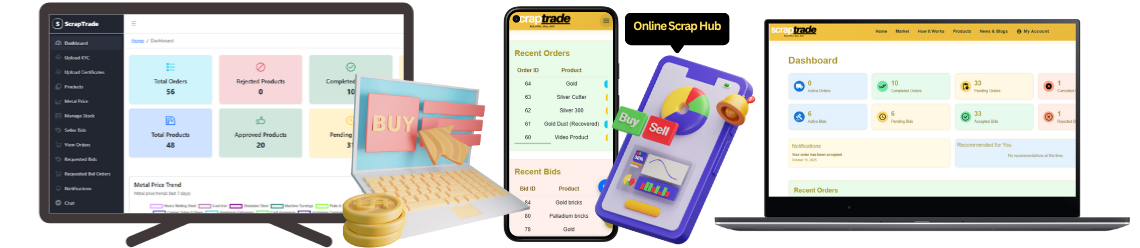
Handling GST compliance is easier when you use a verified scrap trading platform like ScrapTrade. It connects sellers with verified buyers and ensures every transaction is secure, traceable, and transparent — perfect for GST-compliant sales.
Why Choose ScrapTrade:
- Verified Buyers and Sellers: Every participant is pre-screened for authenticity.
- GST-Compliant Invoices: Generate valid invoices for tax records.
- Real-Time Market Rates: Ensure fair pricing for every transaction.
- Safe Payments: Escrow-protected system ensures secure and transparent payment.
- Sustainable Recycling: Supports eco-friendly scrap management.
Start trading today:
Sell Scrap Online | Buy Scrap Online
Benefits of Proper GST Compliance for Scrap Sales
- Avoid Penalties: Maintain transparency and reduce compliance risks.
- Improve Business Credibility: Verified GST filings attract trusted partners.
- Boost Profitability: Accurate pricing and ITC claims improve margins.
- Eco-Compliance: Meet sustainability and recycling norms while staying tax-compliant.
Final Thought
Understanding scrap sale under GST is crucial for both individuals and businesses involved in recycling or manufacturing. By maintaining proper documentation, applying the right GST rate, and using a verified online scrap marketplace like ScrapTrade, you can ensure transparent, legal, and profitable scrap sales.
Sell your scrap today with confidence — visit ScrapTrade.com.au to connect with verified buyers and streamline your GST-compliant scrap trading process.