Unlocking Value: How to Buy Scrap Online and Maximize Your Scrap Trade Experience
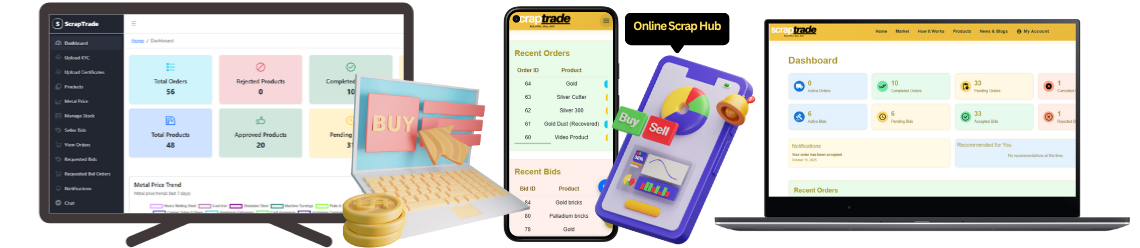
In an age where sustainability meets savvy trading, the art of buying scrap online has never been more appealing. Whether you’re a seasoned trader or a curious newcomer, understanding how to navigate the digital marketplace can unlock incredible value. Imagine transforming what others deem waste into a treasure trove of opportunities! This comprehensive guide will walk you through the essential steps to capitalize on your scrap trade experience effectively. From finding reputable sources and assessing material worth to negotiating deals, we’ll cover everything you need to know to maximize your profits. Get ready to dive into the world of online scrap buying where each click could lead you to your next great find! Buy scrap online or sell scrap online on https://scraptrade.com.au/ and https://getscrap.com.au/
Understanding the Scrap Market: An Overview
The scrap market is a dynamic and ever-evolving space, reflecting the broader shifts in global economic activities. Understanding the scrap market begins with recognizing its fundamental drivers: supply and demand, technological advancements, and regulatory frameworks. Scrap materials, ranging from metals and plastics to textiles and electronics, are constantly in flux due to these factors. For instance, a surge in manufacturing activities in one part of the world can lead to increased demand for scrap metals, while advancements in recycling technologies can make previously non-recyclable materials valuable once again.
Additionally, the scrap market is heavily influenced by environmental regulations and sustainability goals. Governments worldwide are pushing for more stringent recycling laws and incentives to reduce landfill waste, which in turn affects the availability and price of scrap materials. This regulatory push makes understanding the legal landscape crucial for anyone looking to buy or sell scrap online. Staying updated with these regulations can help you anticipate market shifts and make informed trading decisions.
Moreover, the scrap market’s global nature means that traders must be aware of international trends and developments. Currency fluctuations, trade policies, and geopolitical events can all impact scrap prices and availability. For example, a trade embargo or tariff on certain metals can drastically alter the market dynamics. Therefore, having a global perspective, coupled with local market knowledge, is essential for successfully navigating the scrap industry.
The Benefits of Buying Scrap Online
Buying scrap online offers several advantages over traditional methods, starting with convenience. Online platforms provide access to a wide range of materials and suppliers from the comfort of your home or office. This ease of access means you can compare prices, read reviews, and make informed decisions without the need for physical inspections or travel. Consequently, you save both time and money, which can be reinvested into growing your scrap trading business.
Another significant benefit is the transparency that online platforms offer. Many reputable scrap trading websites provide detailed information about the materials, including their origin, quality, and specifications. This transparency helps buyers make more informed decisions, reducing the risk of purchasing subpar or misrepresented scrap. Additionally, online reviews and ratings can offer insights into the reliability of sellers, further enhancing the trustworthiness of transactions.
Furthermore, buying scrap online opens up opportunities for bulk purchases and long-term contracts. Many platforms offer discounts for buying in large quantities or committing to regular purchases. This bulk buying can significantly reduce your per-unit cost, increasing your profit margins. Moreover, establishing long-term relationships with suppliers can lead to better terms and conditions, ensuring a steady supply of high-quality scrap materials.
How to Identify Quality Scrap Materials
Identifying quality scrap materials is a critical skill for any successful scrap trader. The first step is to understand the specific characteristics of the materials you are interested in. For metals, this includes knowing the difference between ferrous and non-ferrous metals, as well as their respective grades. Non-ferrous metals like copper, aluminum, and brass are generally more valuable but require careful inspection to ensure they are free from contaminants and corrosion.
Visual inspection is often the initial method used to assess scrap quality. Look for signs of wear, rust, and contamination that could affect the material’s value. However, visual inspection alone is not sufficient. Tools like magnets, density testers, and chemical analyzers can provide more accurate information about the material’s composition and quality. For example, a handheld XRF analyzer can quickly determine the metal content and identify any impurities.
In addition to physical and chemical testing, understanding the source of the scrap can offer valuable insights into its quality. Scrap from industrial processes is often of higher quality than consumer-generated scrap. Industrial scrap is usually sorted and processed more meticulously, ensuring consistency and purity. Therefore, knowing the origin and processing history of the scrap can help you make more informed purchasing decisions.
Top Online Platforms for Purchasing Scrap
The internet has revolutionized the way scrap is bought and sold, with several platforms emerging as leaders in the market. Websites like ScrapTrade.com.au and GetScrap.com.au offer extensive listings of various scrap materials, ranging from metals and plastics to electronics and textiles. These platforms provide detailed descriptions and high-quality images, making it easier for buyers to evaluate and compare different options.
Another popular platform is RecycleInMe, which offers a global marketplace for scrap trading. It connects buyers and sellers from around the world, providing access to a diverse range of materials and suppliers. The platform also offers various tools and resources, including price trends, market reports, and trade leads, to help users make informed decisions. RecycleInMe is particularly useful for traders looking to expand their reach and explore international opportunities.
ScrapMonster is another excellent resource for buying scrap online. It offers a comprehensive directory of sellers and buyers, along with detailed information about the materials available. The platform also features a robust news section, keeping users updated on the latest developments in the scrap industry. Additionally, ScrapMonster provides analytical tools and market insights, helping traders stay ahead of market trends and make strategic decisions.
Tips for Negotiating Scrap Prices
Negotiating scrap prices can be a delicate process, but with the right approach, you can secure favorable deals. The first step is to conduct thorough research on the current market prices for the specific scrap materials you are interested in. Websites like MetalPrices.com and London Metal Exchange provide real-time price data, which can serve as a benchmark during negotiations. Being well-informed gives you a strong foundation to argue your case and resist overpricing.
Building a good relationship with the seller is another crucial aspect of successful negotiation. Establishing trust and rapport can make the seller more willing to offer better terms and conditions. Communicate clearly and professionally, and don’t hesitate to ask questions about the material’s quality, origin, and processing history. Demonstrating genuine interest and knowledge can make the seller more inclined to negotiate fairly.
Flexibility is also key when negotiating scrap prices. Be prepared to compromise on certain aspects, such as payment terms or delivery schedules, to achieve a better overall deal. For example, offering to pay upfront or agreeing to a longer delivery timeline might persuade the seller to lower the price. Additionally, consider negotiating for bulk purchases or long-term contracts, as these can often result in significant discounts.
Safety Considerations When Buying Scrap Online
Safety should always be a top priority when buying scrap online. One of the primary concerns is the risk of fraud and scams. To mitigate this risk, it’s essential to use reputable platforms with verified sellers. Look for websites that offer buyer protection programs and secure payment options. Additionally, read reviews and ratings from other buyers to gauge the reliability of the seller.
Another critical safety consideration is the quality and condition of the scrap materials. Poor-quality scrap can pose various risks, including contamination and structural integrity issues. Always request detailed descriptions, high-resolution images, and, if possible, samples before making a purchase. Use reliable testing methods to verify the material’s composition and quality. For metals, tools like handheld XRF analyzers can provide precise readings and detect any impurities.
Furthermore, pay attention to the logistics and handling of the scrap materials. Ensure that the seller follows proper packaging and shipping protocols to prevent damage during transit. For hazardous materials, confirm that the seller complies with relevant safety regulations and provides the necessary documentation. Taking these precautions can help you avoid potential health and safety hazards associated with poor-quality or improperly handled scrap.
Maximizing Your Scrap Trade: Best Practices
To maximize your scrap trade experience, it’s essential to adopt best practices that enhance efficiency and profitability. One such practice is maintaining detailed records of all transactions. Keeping track of purchase dates, quantities, prices, and supplier information can help you identify trends and make informed decisions. Additionally, accurate records are invaluable for tax purposes and regulatory compliance.
Another best practice is to stay informed about market trends and developments. Subscribe to industry newsletters, join online forums, and participate in trade shows to stay updated on the latest news and innovations. Understanding market dynamics, such as price fluctuations and emerging technologies, can help you anticipate changes and adapt your trading strategies accordingly. This proactive approach can give you a competitive edge in the scrap market.
Building a reliable network of suppliers and buyers is also crucial for maximizing your scrap trade experience. Establishing strong relationships with reputable partners can ensure a steady supply of high-quality materials and create opportunities for better deals. Networking can also provide valuable insights and referrals, helping you expand your business and explore new markets. Therefore, invest time and effort in cultivating and maintaining professional relationships within the scrap industry.
Understanding Scrap Metal Grades and Their Values
Understanding scrap metal grades and their values is fundamental to successful scrap trading. Scrap metals are categorized into different grades based on their composition, quality, and usability. For instance, ferrous metals, which contain iron, are generally less valuable than non-ferrous metals like copper, aluminum, and brass. However, within each category, there are various grades that determine the material’s value.
For example, copper is graded based on its purity and condition. Bare bright copper, which is clean and free from any impurities, is the highest grade and commands the highest price. On the other hand, copper with insulation or corrosion is considered a lower grade and is less valuable. Similarly, aluminum is graded based on its alloy content and contamination levels. Understanding these distinctions can help you accurately assess the value of scrap metals and make informed purchasing decisions.
In addition to metal grades, it’s essential to stay updated on market prices and trends. Scrap metal prices can fluctuate based on various factors, including supply and demand, economic conditions, and geopolitical events. Websites like the London Metal Exchange and MetalPrices.com provide real-time price data and market insights. By staying informed, you can better anticipate price movements and strategically time your purchases and sales to maximize profitability.
Common Mistakes to Avoid in Scrap Trading
While scrap trading can be highly profitable, it’s also fraught with potential pitfalls. One common mistake is failing to conduct thorough research before making a purchase. Relying solely on the seller’s description and images can lead to costly errors. Always verify the material’s quality and composition through reliable testing methods and request samples if possible. Additionally, research the seller’s reputation and read reviews from other buyers to avoid scams and fraudulent transactions.
Another mistake is neglecting to consider the logistics and handling of scrap materials. Poorly packaged or improperly handled scrap can result in damage and contamination, reducing its value. Ensure that the seller follows proper packaging and shipping protocols and complies with relevant safety regulations. Additionally, consider the cost of transportation and storage when calculating the overall expense of the purchase.
Lastly, many traders fail to stay updated on market trends and regulatory changes. The scrap market is dynamic and influenced by various factors, including economic conditions, technological advancements, and environmental regulations. Staying informed about these developments can help you anticipate market shifts and make strategic decisions. Subscribe to industry newsletters, join online forums, and participate in trade shows to stay updated on the latest news and innovations.
Conclusion: Making the Most of Your Scrap Buying Experience
In conclusion, buying scrap online offers a wealth of opportunities for savvy traders. By understanding the intricacies of the scrap market, identifying quality materials, and leveraging reputable online platforms, you can unlock incredible value and maximize your profits. Effective negotiation, safety considerations, and best practices further enhance your trading experience, ensuring a successful and sustainable business.
Moreover, understanding scrap metal grades and staying updated on market trends are essential for making informed decisions and achieving the best possible outcomes. Avoiding common mistakes and continuously learning and adapting to the dynamic market landscape will help you stay ahead of the competition and capitalize on emerging opportunities.
Ultimately, the key to success in scrap trading lies in diligence, knowledge, and strategic planning. By following the comprehensive guide provided in this article, you can navigate the online scrap marketplace with confidence and unlock the full potential of your scrap trade experience. Happy trading!